

Maximum medical improvement (MMI) is the point when a work injury has stabilized and is unlikely to change substantially over the next year. California regulations and reports call this permanent and stationary (P&S) status. Once a doctor makes that finding, temporary disability generally ends, any permanent disability is evaluated, and medical care can continue.
OrthoLegal supports orthopaedic Qualified Medical Evaluator (QME) and Agreed Medical Evaluator (AME) evaluations in California. Below, we explain who determines MMI, what changes for a claim, and how an evaluator addresses disputed medical findings.
What does maximum medical improvement mean in California’s workers’ comp?
In California workers’ comp, maximum medical improvement means the condition is well stabilized and unlikely to change substantially over the next year, with or without medical treatment. Reaching MMI does not necessarily mean the worker has fully recovered or no longer needs care.
A worker at MMI can still have symptoms, work limits and a need for care. The finding means no substantial change is expected. From that point, a doctor can measure the lasting effects of the injury.
Each injured body part can also reach MMI at a different point. The QME regulations, for example, refer to declaring a worker permanent and stationary for the body part evaluated.
Is MMI the same as permanent and stationary in California?

Yes. California regulations define permanent and stationary status as the point when the employee has reached maximal medical improvement. The definition appears in Title 8, California Code of Regulations, section 9785, and the rating rules in section 10152 use the same wording. So a P&S report and a maximum medical improvement finding describe the same milestone.
DWC forms and pages also use permanent and stationary, often shortened to P&S. The QME regulations pair the terms, defining future medical care as treatment after maximum medical improvement or permanent and stationary status.
Section 9785 itself says maximal rather than maximum, and the DWC uses both words for the same idea.
Who determines MMI in a California workers’ comp claim?
The primary treating physician (PTP), the doctor responsible for managing the worker’s care, generally makes the initial MMI determination. When the condition is permanent and stationary (P&S), section 9785 generally requires the physician to submit a report to the claims administrator within 20 days of the examination, unless there is good cause for a delay. The report addresses permanent impairment, limitations, and any need for continuing or future medical care.
Either party can object to the findings. A disputed medical question may then go to a QME or, if the worker has an attorney and both sides agree, an Agreed Medical Evaluator (AME).
What changes for the claim after MMI?
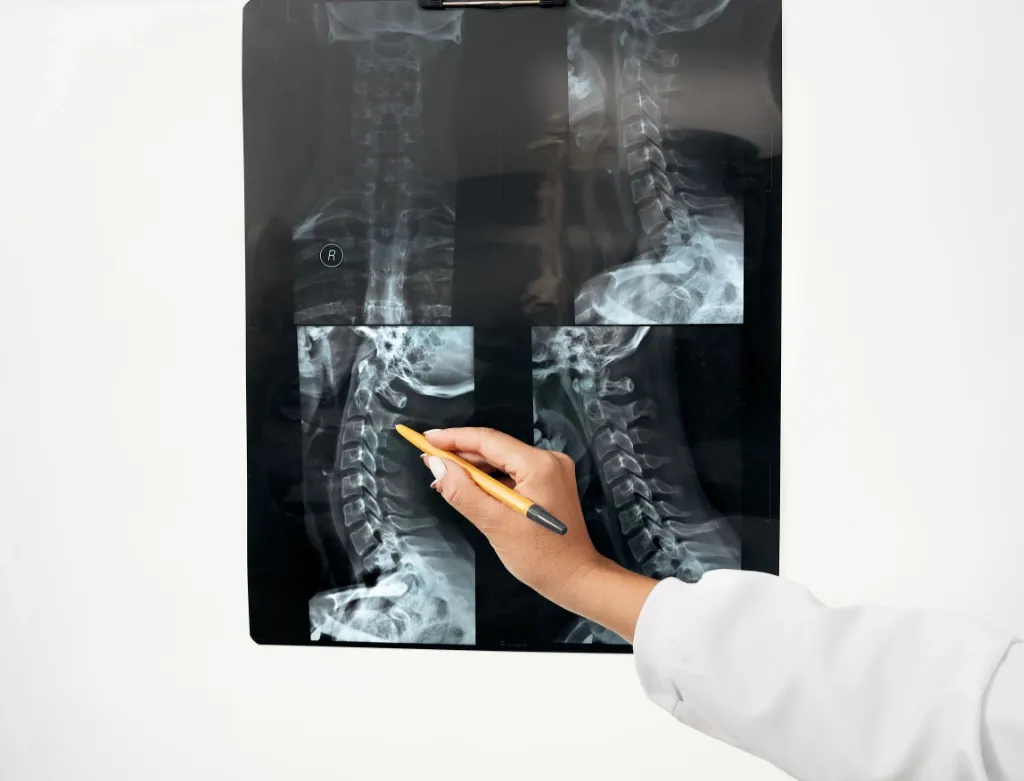
Three parts of the claim shift once a worker reaches maximum medical improvement. Temporary disability payments generally stop, and any permanent disability is evaluated. Medical care can continue, and the reports address what care the worker will need in the future.
First, temporary disability (TD). The DWC’s answers for injured workers say TD generally stops when the worker returns to work or is released to work. It can also stop when the doctor finds the injury has improved as much as it will. With the last TD payment, the employer must send a notice about permanent disability (Labor Code section 4061).
Next, permanent disability (PD). The DWC explains that PD is evaluated once the condition has stabilized. When an injury causes permanent disability, Labor Code section 4650 makes the first PD payment due within 14 days after the last TD payment. Exceptions apply, including some cases where the employer has offered qualifying work.
Medical impairment findings help determine the permanent disability rating. For injuries on or after January 1, 2013, physicians assess impairment using the AMA Guides, Fifth Edition. The permanent disability rating also accounts for the worker’s occupation and age at the time of injury. Evaluators measure it with the AMA Guides, Fifth Edition. Occupation and age at the time of injury also count. Our article on what whole person impairment means for an injured worker covers that measurement.
Finally, medical care. Reaching maximum medical improvement does not end it. Section 9785 treats a release from care as a separate finding: the worker is P&S and needs no continuing or future treatment.
What if the parties disagree about MMI in California?
When either side disagrees with the treating physician’s MMI finding, Labor Code sections 4061 and 4062 set the dispute route. The question goes to a QME or, in a represented case, an AME if both sides agree. That evaluator examines the worker, reviews the records and answers the disputed medical questions in a report.
Section 4062 covers objections on medical issues that sections 4060 and 4061 do not address. There, the written objection is due 20 days after receipt of the report when the worker has an attorney, or 30 days without one. Good cause or mutual agreement can extend either limit.
Without an attorney, the worker selects one QME from a panel of three (section 4062.1). With an attorney, the parties may agree to an AME at any time. Otherwise, either party can request a QME panel (section 4062.2). Our page on orthopaedic QME evaluations explains the panel process.
How does a QME report address MMI?
A QME report addresses whether the worker has reached maximum medical improvement for each disputed body part and, if so, when. It also describes any permanent impairment, covers temporary disability and future medical care, and explains the medical reasoning. Those reasons let both sides, and a judge if needed, test the conclusion against the record.
Under the Workers’ Compensation Appeals Board (WCAB) rules, a physician’s report should include certain items where applicable (8 CCR 10682). These include whether the injury caused permanent disability, whether the condition is permanent and stationary, and the reasons for the physician’s conclusions. Where applicable, the report also addresses apportionment, meaning how much permanent disability is attributable to the work injury versus other causes. When an item is missing, the WCAB considers that gap in weighing the evidence.
On future care, the QME rules draw a line. The evaluator says whether the worker will need future medical care. On a disputed treatment issue, though, the evaluator gives no opinion (8 CCR 35.5).
Sometimes the QME finds that the worker has not reached maximum medical improvement. In that case, the report says so and explains why.
Frequently asked questions
How long does it take to reach MMI?
There is no set timeline for reaching maximum medical improvement. It depends on the injury, the treatment and how the condition responds over time. The treating physician follows the worker’s progress and reports when the condition is permanent and stationary. If someone disputes that finding, a QME or AME gives an opinion on whether and when MMI occurred.
Can I still get treatment after MMI in California?
Reaching MMI does not by itself end medical treatment. Under Labor Code section 4600, the employer provides care reasonably required to cure or relieve the effects of the injury. The DWC says treatment continues as long as it is medically necessary, subject to the treatment guidelines and utilization review. A settlement can affect future medical care, so that question belongs with your attorney or an Information and Assistance officer.
What if my doctor and the QME disagree?
Either party can ask the QME for a supplemental report on the open points, due 60 days after a written request (8 CCR 38). The DWC also notes that either side can ask to have the treating doctor’s report rated. If the issue stays unresolved, a workers’ compensation judge can decide it, weighing the medical reports as evidence.
How OrthoLegal supports orthopaedic QME and AME evaluations
OrthoLegal handles scheduling, records and report support for orthopaedic QME and AME evaluations across Northern, Central and Southern California. Our network includes orthopaedic QME specialists who evaluate general orthopaedic, spine and hand cases. Our standard for every report is quality, on-time reporting.
Applicants’ attorneys can call 213.947.0000 to request an evaluation or visit our page for applicants and attorneys.
Attorneys and applicants with a scheduled OrthoLegal evaluation can call 213.947.0000.
Request an Evaluation (button, links to /for-applicants-attorneys/)
This article is general information about California workers’ compensation, not legal or medical advice. For advice about a specific claim, talk to your attorney or the DWC Information and Assistance unit.