

In Defense of Expertise: Why QMEs and AMEs Matter More Than Ever
In California’s workers’ compensation system, Qualified Medical Evaluators (QMEs) and Agreed Medical Evaluators (AMEs) remain the foundation of fair and objective medical-legal decision-making. Their evaluations ...

Who Pays and Why? A Guide to Causation and Apportionment in California Workers’ Compensation
In California workers’ compensation, understanding the difference between causation and apportionment is essential for employers, employees, and lawyers alike. These concepts help determine whether an ...

What Qualifies as an Injury in California Workers’ Compensation?
Many California workers who get hurt on the job ask the same question: Does my situation really count as a work injury? The answer is ...

Understanding AOE and COE in California Workers’ Compensation
AOE and COE are the two tests in Labor Code section 3600 that decide whether California workers’ compensation covers an injury. Arising out of employment ...
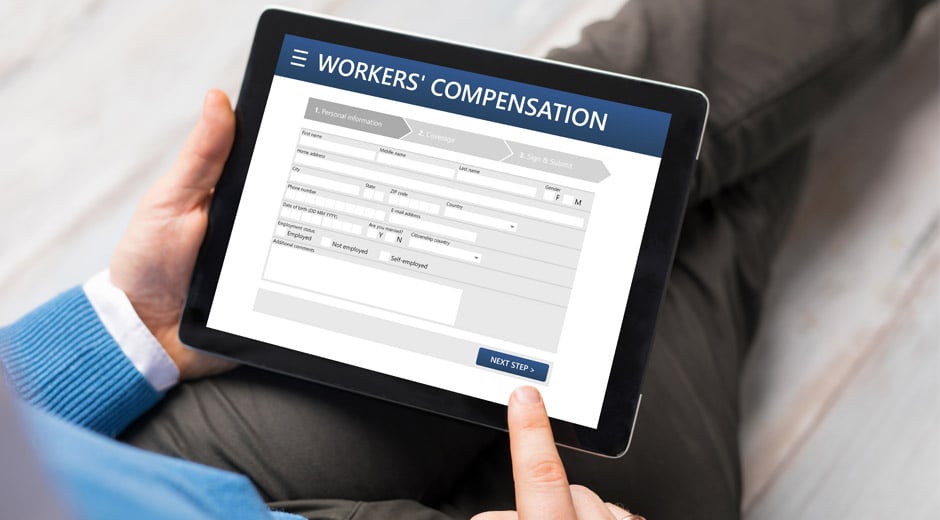
No Amount Too Small: The Power of the ‘Non-Zero’ Standard in Workers’ Comp
The non-zero standard in California workers’ compensation means that any measurable contribution above zero counts. Work does not have to be the main cause of ...

Face-to-Face Time in QME Evaluations in California
To ensure QME evaluations are thorough and fair, state regulations specify minimum requirements for “face-to-face” time between the QME and the injured worker. These requirements, ...

Ex Parte Communication
To ensure fairness in California’s Workers’ Compensation system, strict rules govern communications between parties and medical evaluators, including Qualified Medical Evaluators (QMEs) and Agreed Medical ...

Ethical Requirements for QMEs in California
The ethical standards outlined in Title 8, §41 of the California Code of Regulations establish expectations for Qualified Medical Evaluators (QMEs) across various domains, from ...

Why QME Disclosures Matter
Disclosures by Qualified Medical Evaluators (QMEs) ensure that injured workers understand their rights, the boundaries of the evaluation, and the QME’s professional status. A closer ...

A Guide to the Subsequent Injuries Benefits Trust Fund (SIBTF)
Established in 1945 as World War II came to an end, the Subsequent Injuries Benefits Trust Fund (SIBTF) was initially created to encourage employers to ...

Applicant Credibility in California Workers’ Compensation Cases
Applicant credibility is the consistency between what the injured worker reports, what the records show and what the examination finds. The evaluator does not decide ...
Senate Bill 1299 Veto: A Setback for Farmworker Protections in California’s Workers’ Compensation System
Governor Gavin Newsom’s recent veto of Senate Bill 1299 at the end of September has sparked widespread concern, particularly among those advocating for stronger protections ...